
Where Did That Behavior Come From?
Posted: September 6, 2023 Filed under: Uncategorized | Tags: COVID-19, early childhood educators, pandemic, relationships, social emotional development, young children 1 CommentWhat COVID-19 Taught Preschoolers
By Barbara Kaiser and Judy Sklar Rasminsky
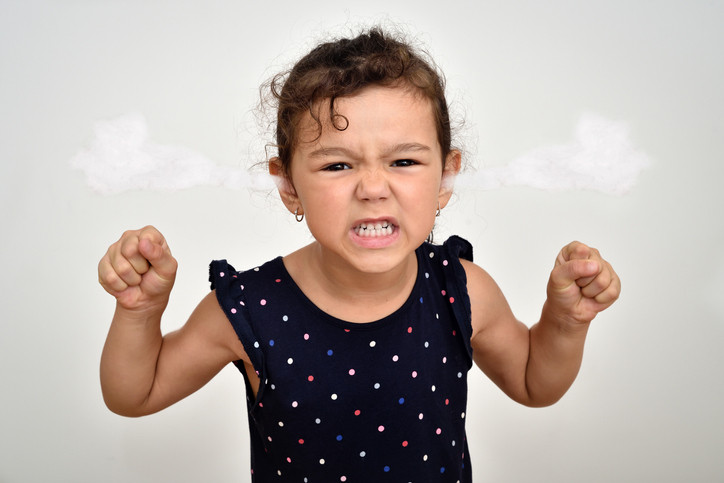
The outbreak of COVID-19 has produced a collective trauma in our world, and one result is that everyone is worrying about its catastrophic effects on student learning.
In addition to walloping the math and reading scores of middle and high schoolers, over the past three years school closures and remote learning have hurt students’ mental health and well-being, causing stress, anxiety, depression, and even suicidal thoughts and attempts. Children of color and those from low-income families have been especially hard hit, with their test results declining twice as much as those in wealthy neighborhoods.
What about preschoolers?
But our youngest children are dealing with an even tougher situation. The early years are a crucial time, the period of life when the brain is developing most quickly and shapes adult outcomes the most. As a collective trauma, COVID has caused toxic stress and trauma in children, families, and educators. In fact, the American Academy of Pediatrics and the U.S. Surgeon General have warned that the pandemic created a national emergency in child mental health.
Without the company of peers and warm, responsive teachers, young children’s social development has suffered severely, and when they finally returned to their child care centers, preschools, elementary schools, and after-school programs, their teachers found that their speech and language were far below normal for their age.
Their behavior was, too. The children bit, hit, and bullied one another, and they didn’t know how to play, share, take turns, make friends, resolve conflicts, pay attention, follow directions, or control their impulses—all things that children usually learn in their early years.
Instead, they were unmotivated, irritable, overwhelmed, and lacking in self-confidence, and they cried, withdrew, or became clingy, easily frustrated, or subject to temper tantrums as they struggled with personal touch, big groups, and separation anxiety.
In one study, 53 percent of early childhood educators observed behavioral changes during the pandemic and 77 percent of them characterized the changes as negative. Here is some of what they found.
The children:
- Easily lost control or became angry or upset
- Had more temper tantrums
- Behaved in ways that were more unpredictable, oppositional, volatile, and extreme
- Gave up even on small tasks that presented any challenge
- Had difficulty concentrating
- Lost self-help skills
- Had trouble with transitions
- Were sad or cried
- Couldn’t process social information and reacted defensively and aggressively when they thought they were being blamed or attacked
- Struggled to get along with others; everything was “me” or “mine”
Children who had lost loved ones had the most difficulty. But they were joined by children who lived in cramped spaces with stressed parents who had lost their jobs and were trying to manage on a reduced income. Lacking adequate technology, routines, and access to exercise and mental health care, these children had learned that the world is a dangerous place and that someone they love might get sick and die. Experts believe that these lessons could stay with them for years, increasing the probability that they will drop out of school and have problems with the police unless they have a supportive adult in their lives and the opportunity to build their resilience.
Teachers have suffered, too
If you have had a hard time at work, you are not alone: The pandemic affected educators deeply. In one survey of teachers, more than 70 percent reported feeling sad, angry, or anxious. In addition to fearing they would catch COVID, they were burned out—overworked and overwhelmed. Teaching online made them feel isolated, depressed, and ineffective. Fifty percent said they were likely to quit or retire early because of job stress. And predictably, children in the care of teachers with these feelings were more prone to perform poorly and present behavior problems.
Children who are dealing with toxic stress and trauma are difficult to teach, and their teachers, who are also experiencing the high cortisol levels associated with these conditions, may find it all too easy to misinterpret a child’s challenging, negative behavior. What looks like defiance may actually be distraction; what seems like disrespect or anger may be depression or pain; and anxiety may present itself as anger, avoidance, or even a stomach ache or a need to use the bathroom.
What can you do about this?
As an educator, you may be (or have been) depressed by the isolation and loneliness the pandemic inflicted on us; or anxious, wondering if your every symptom is COVID or worrying about your financial situation; or grieving if you’ve been unlucky enough to lose a loved one. You may be finding it hard to concentrate and make decisions, or still be feeling unsafe and avoiding crowded public places like restaurants.
But because the children you teach take their cues from you, it’s important to manage your stress and strengthen your resilience. Here are some tips about how you can do that:
- Exercise.
- Stick to a routine.
- Limit the time you spend on television and social media that has anything to do with COVID and look instead for good and hopeful news.
- Do something you’ve wanted to do but never had time for—plant a small garden, try a new recipe, take up hiking or pickleball.
- Connect with others—family members, organizations, old friends or new—where you may find support. Just like the children we care for, we get power from our relationships.
- Try to figure out what causes your stress and consider healthier ways to manage it. Instead of eating that chocolate bar, try going for a run.
- Look for strengths you didn’t know you had, and nurture hope, a positive view of your own strengths, and your ability to develop through effort.
When you encounter challenging behavior
It’s essential to try to understand what children are feeling underneath their challenging behavior. Then it becomes possible for you to empathize, connect with them, and respond to their needs.
First and foremost, they must feel physically and psychologically safe. As Alfie Kohn tells us, “When children feel safe, they can take risks, ask questions, make mistakes, learn to trust, share their feelings, and grow.”
The most important element in a safe environment is a nurturing, positive, and stable relationship with the teacher, namely you. Children learn through relationships—through cuddling, eye contact, smiles, gestures, and responses to their own movements and sounds. Above all, they need lots of conversation because contact with others is how they learn about emotions and how to manage them.
Remember that trauma-related behavior often begins with anxiety, so reach out early by smiling or nodding or asking, “Are you okay?” or “Would you like some help?” Encourage children to identify and tap into their feelings while you stay calm, gentle, and positive. Instead of asking yourself, “What’s wrong with this child?” ask “What’s happened to this child?”
Here are some reminders of what else teachers can provide:
- Rich experiences that stimulate and enrich brain growth
- Consistent, predictable routines
- Advance warnings
- Proactive lessons in social and emotional skills
- Quiet areas away from active areas
- Dramatic, creative, free-play opportunities
- Tasks broken into smaller chunks and help in mastering them
- Opportunities to make choices, learn to solve problems, and practice making plans
- Positive attention when children are behaving appropriately
Don’t forget that you are a role model for positive relationships. Respond promptly when children are distressed and listen carefully to everything they have to say. Be mindful, kind, and accepting. And remember to show appreciation for what they can do, instead of paying attention to what they cannot do.
We’d like to hear about how you’ve been managing in the pandemic. Does this ring true for you, or have you had a very different experience?
Tags: COVID-19, pandemic, young children, social-emotional development, early childhood educators, challenging behavior, relationships
Mindfulness, Children, and Teachers: The Sound of Silence
Posted: June 20, 2017 Filed under: Uncategorized | Tags: amygdala, brain development, calm classroom, challenging behavior, executive function, inner kids, kindness curriculum, mind yeti, mindful schools, mindfulness, mindUP, quiet time, self-regulation, teachers, young children Leave a comment

Question: What do hundreds of thousands of children worldwide have in common with Google employees, US military personnel, the Seattle Seahawks, and the Boston Red Sox?
Answer: They all practice mindfulness.
No matter which mindfulness program or app is guiding them—whether it’s Calm Classroom, Mind Yeti, MindUP, Mindful Schools, Quiet Time, Inner Kids, Kindness Curriculum, or one of the many other programs available—it is sure to stem from the Buddhist tradition of meditation.
In the late 1970s, Jon Kabat-Zinn, a biologist at the University of Massachusetts Medical School, realized that a non-religious form of meditation, which he dubbed “mindfulness,” might help patients deal with chronic pain.
His hunch was right. Since then, studies have shown that Kabat-Zinn’s Mindfulness-Based Stress Reduction Program—and its many offspring—reduces chronic pain, as well as lowering blood pressure, cholesterol, stress, anxiety, and depression. Mindfulness is even used to treat post-traumatic stress, rheumatic arthritis, eating disorders, immune disorders, insomnia, and irritable bowel syndrome.
So what is mindfulness?
Kabat-Zinn defined mindfulness as “the awareness that emerges through paying attention on purpose, in the present moment, and nonjudgmentally, to the unfolding of experience moment by moment.” He saw it as a way to train the mind, which he thought of as being like a muscle: With exercise, it could get stronger.
The exercise he chose—and the core of most mindfulness programs—is concentrating on one’s own breath. That is, he taught people to select a quiet spot, sit still, close their eyes, and focus on their breathing. When their attention wandered, as it inevitably does, they learned to observe their thoughts, feelings, and sensations without judging them, then to gently bring their attention back to their breath and the present moment.
Kabat-Zinn also taught patients to perform a body scan, a second way to train their attention. They could lie quietly, concentrate on each tiny bit of their body in turn, and notice how each part feels, from their scalp to their toes.
What does mindfulness do?
Practicing these exercises develops:
- Attention. Because our minds have a tendency to roam, mindfulness asks us to concentrate on the here and now—the present, not the past or the future. It helps us to focus and switch our attention more easily when situations change.
- Awareness. With mindfulness we become aware of each one of our thoughts, emotions, and physical sensations and see it more calmly, clearly, and accurately.
- Acceptance. Mindfulness allows us to accept our thoughts, emotions, and physical sensations without judging them or reacting to them; it enables us to be neutral, open, curious.
Through the practice of mindfulness, we cultivate the ability to observe, recognize, and change ordinary patterns, to become more reflective, calm, empathic, and kind, and to achieve greater control of our actions.
Is mindfulness just for adults?
At first Kabat-Zinn and his followers prescribed mindfulness only for adults. But eventually people began to think that mindfulness could help children, too.
As they grow, their brains are learning how to regulate their attention, thoughts, and emotions; and researchers now theorize that mindfulness practice could help to shape children’s neural networks and support their emotional regulation and executive function, which develop rapidly in the preschool years.
Mindfulness targets self-regulation, and recent research has shown that the ability to self-regulate in childhood makes a huge difference. In fact, it predicts everything from kindergarten readiness to SAT scores to adult health, income, educational achievement, and criminal activity.
The research on children and mindfulness is promising but preliminary, meaning we need more studies to demonstrate what researchers already suspect: that mindfulness can boost children’s attention (which helps them to concentrate), working memory (which enables them to remember directions, among other things), and inhibitory control (which makes it easier for them to stay on task, follow rules, and have friends). It should come as no surprise that all of these skills are crucial for school success.
Some researchers even see signs that mindfulness could prevent aggressive and challenging behavior, beef up empathy and resilience, and reduce visits to the principal’s office and school suspensions as children begin to respond more mindfully to difficult situations.
Brain changing
Research in adults shows that practicing mindfulness actually changes the brain. Most notably, it thickens the brain regions responsible for learning and memory, strengthens those involved in self-control, and facilitates communication among different areas, making the brain more efficient.
It also shrinks the amygdala, a small almond-shaped structure deep within the brain that detects threats and triggers our freeze-fight-flight reaction. Although it’s supposed to alert us to danger, it can also hijack the brain and make us act before we have a chance to think. As MindUP puts it, “The amygdala is like a barking dog—he keeps us safe from external dangers but sometimes he barks for no real reason.”
Mindfulness works because of this two-pronged approach: It enhances conscious control at the same time that it dampens automatic reactions like fear and anger that can interfere with learning and rational thought.
And it is likely that the effect of mindfulness on the developing brain intensifies when it is introduced early. So far evidence indicates that children at high risk—including those experiencing poverty, trauma, or toxic stress—benefit the most.
How can kids learn mindfulness?
Children seem to enjoy mindfulness practice, and practice is just as important for children as it is for adults. Here are some basics to keep in mind:
- Make mindfulness a special time. It’s probably a good idea to move to the carpet or another space where everyone can lie down.
- Practice often—several times a week, every day, even several times a day. A few short practice periods spaced out over the day work better for learning than a single extended one.
- It’s best to be consistent, so select times you can stick to, for example, after recess, after lunch, before math.
- Keep the sessions short. One to two minutes is enough for younger children; five-year-olds can pay attention for about three minutes.
- Use props such as stuffed animals. Kids can lie down, put their stuffies on their bellies, and rock them to sleep with their breathing or pretend they’re boats bobbing up and down on the waves of their breath. They can also do a body scan lying down or standing up with the aid of a hula hoop and the teacher’s direction.
- Include mindfulness in ordinary activities like snack or lunch—for example, ask children to notice whether their food is hot or cold, hard or soft, bland or spicy.
- Incorporate movement such as yoga stretches.
- Metaphors are useful, too. Help children visualize their thoughts passing by like clouds in the sky or floats in a parade.
Bear in mind that despite the vast number of programs and apps available, most of those aimed at young children have not yet undergone rigorous scientific evaluation. There isn’t even consensus about how much training and practice teachers need!
It’s important for your program to be evidence based, so be sure to check out the research behind your choices. Don’t forget to note the age of the children the program is designed for.
* * * * * * * * * * * * * * * * * * * *
How can you recognize good research?
The most reliable research will include:
- Publication in a peer-reviewed journal.
- Detailed information about the program itself (number, length, and frequency of practice sessions, training of teacher, etc.).
- Use of multiple methods and informants to assess outcomes (such as grades, office referrals, suspensions, recognized tests of children’s skills, and outside observers).
- Random assignment of participating children to the training group or an active control group (which is preferable to a wait list control group).
- A large number of participating children and a description of them (their age, race or ethnicity, income level, disability).
- Corroboration by similar independent studies.
- Follow-up data.
* * * * * * * * * * * * * * * * * * * *
What about teachers?
If you’re thinking, “I could use some mindfulness myself,” you’re probably right! Teachers work under stressful conditions, and emotional regulation is especially important when you’re facing challenging behavior.
A study of the CARE program (Cultivating Awareness and Resilience in Educators), which teaches teachers mindfulness and social and emotional skills, found that it reduced stress, anxiety, depression, and burnout, while improving teachers’ empathy, relationships with their students, classroom management skills, and the learning environment.
Although there’s no consensus on the subject, having mindfulness training and your own practice will probably help you to teach mindfulness to your class.
Here are some programs to consider
Calm Classroom. A research-based program for preschool and kindergarten, Calm Classroom was developed by the non-profit Luster Learning Institute. It trains teachers, administrators, and support staff on site in schools and also offers individual educators online training that comes with a manual and a CD. You can try it out by clicking here.
Mindful Schools. Mindful Schools, which was designed for kindergarten to fifth graders, offers both a six-week basic online course and a more advanced online course under the guidance of experienced mindfulness teachers. Educators can also sign up for group instruction. Examples are provided on the website.
MindUP. Accredited by CASEL, the MindUP program grew out of the earlier Mindful Education and consists of 15 lessons for PreK to grade 8 students. It draws from neuroscience, positive psychology, mindful awareness, and social and emotional learning and offers whole-school or regional training for classroom teachers, a curriculum guide, and a digital option.
Mind Yeti. Developed by the Committee for Children, the non-profit organization that produced the Second Step social and emotional learning program, Mind Yeti is an animated web-based program for “children and their adults” created by educators, psychologists, researchers, and mindfulness experts under the guidance of University of British Columbia psychologists. You can try it out for free through Apple iTunes.
What do you think?
We’d love to hear about your experiences with mindfulness—either your own or your students’. Has it changed the ambience of your classroom?
Dearest Families: Responding to the Election Results
Posted: November 15, 2016 Filed under: Uncategorized | Tags: bullying, families, feelings, kindness, Mr. Rogers, rights, safety, TV, U.S. elections, young children Leave a comment
Photo by Silvio Assuncao/Flickr
For many of us, the results of the Presidential election and the president-elect’s recent appointments are a surprise that has brought some concerns regarding the future direction of the United States. Some people are fearful of deportation, others are afraid of anti-Semitism and other forms of prejudice. In addition there are concerns about the rights of women and the LGBTQ community.
Many early childhood educators are spending time explaining these developments to the children in their care. Administrators set the tone and are responsible for ensuring that all children feel safe. We are proud to post a letter to families by the director of early childhood education at a program in Los Angeles.
If your preschool or center has written a useful letter or done something else to help families cope with election fallout, please send it to us. We would be pleased to post a selection of letters on our blog.
Dearest Families
Now, in the clear light of day, we see an outcome we did not expect. Suddenly, we are uneasy with our countrymen and women—how can we be so far apart? How can basic decency not be valued? How can such cruelty prevail? Despite everything we teach them, does bullying win? Is it OK to make fun of people who look different than we do?
Even as we struggle to find ground on which to stand, we must be mindful of our very young children. You may not realize your children are being affected by all this but they are. First by what they see: Your sadness, anger, worry. It is okay for you to say how you feel, to cry and be sad. If we don’t let children know it’s okay to feel sad and scared, they may think something is wrong with them when they feel that way.
They certainly don’t need to hear all the details of what’s making us sad or scared, but we can help them accept that when bad or scary things happen, it’s OK to have feelings about it. It also models for them how to express feelings. Try, however, to be as in control as possible. Keep their routines as consistent and regular as you can. This is the way that children feel safe.
Second, children are affected by what they hear: from you, the TV and other screens, from their friends. So, it is always good to ask, “What have you heard about this election?” Sometimes things said are understood in ways that frighten or confuse them. You can share that we live in a country where people are allowed to say what they want and sometimes people say mean and hurtful things, but it is also a country that has rules and laws. That we will always fight for fairness and kindness. We will stand with our friends who have different skin color, different religion, whose families look different than ours.
Remember that your words, said in moments of despair or anger, will also be heard. Try to keep the catastrophic pronouncements away from them. Finally, turn off the TV.
As our children know, at Yom Kippur, we were given the chance to do better, be kinder, be forgiven for the things we have said and done. So, we will give the new President a chance to do better, and be kinder, too.
“When I was a boy and I would see scary things in the news, my mother would say to me, ‘Look for the helpers. You will always find people who are helping.’ To this day, especially in times of ‘disaster,’ I remember my mother’s words and I am always comforted by realizing that there are still so many helpers—so many caring people in this world.”—Fred Rogers



 Children with Challenging Behavior